|
|
||||||||||
![]() Latest News: - Draft LOI to Experts: 2nd revise re DNA 26-02-2008 25-10-2007 Latest Articles: - Pensions in Ancillary Relief 05-03-2008 - Draft Letters of Instruction to Experts 26-02-2008 Latest Seminars: 07-04-2008 24-10-2007 |
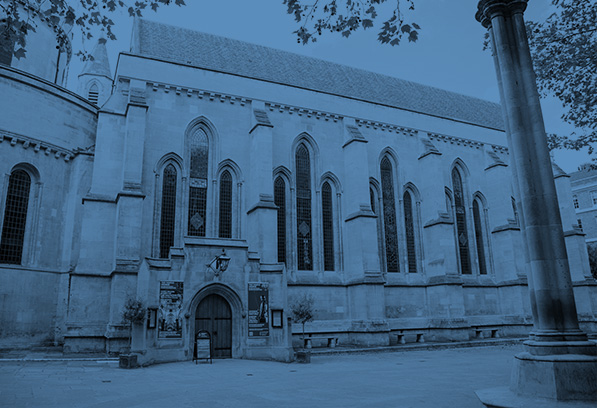
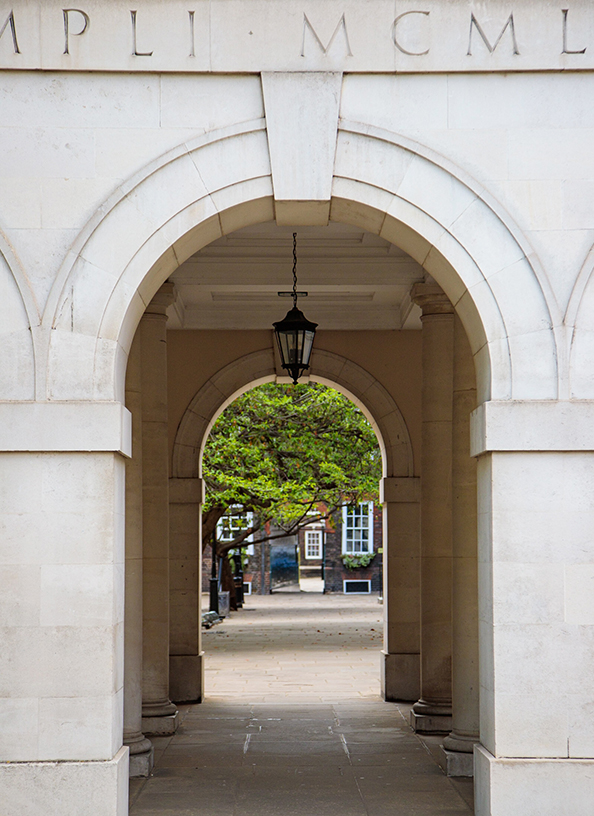
About usAbout 4 Brick Court Set up in the mid 1970's by David Medhurst, today the Chambers of Miss Janet Mitchell occupy two floors in a historic building in the Middle Temple. The Royal Courts of Justice, the Principal Registry, and the Inner London and City Family Proceedings Court are all within easy reach.
Equal Opportunities Chambers is committed to the implementation and promotion of equal opportunities and to compliance with the Bar Council's Equality Code. All persons coming into contact with Chambers are treated on merit and are not discriminated against on the grounds of their age, ethnic or national origin, nationality, citizenship, sexual orientation, marital status, disability, religion or political persuasion. Facilities Chambers has two conference rooms available at our centrally located premises. Our barristers are also able to attend conferences at client premises.
Barristers can now be instructed directly by members of the public. However there are still some restrictions n the type and methods of work that can be done on this basis. Not all barristers in 4 Brick Court accept work directly from member of the public. a. Do any immigration or asylum work directly for clients. b. Act as a supervisor for the purposes of section 84(2) of the Immigration and Asylum Act 1999. c. Undertake the management administration or general conduct of the client's affairs. d. Conduct correspondence with an opposing party (but a barrister may draft letters for the client to send, and may also negotiate with the other side on the client's behalf either on the telephone, in formal meetings or as part of alternative dispute resolution). e. Instruct expert witnesses directly (but a barrister may recommend an expert witness and draft instructions for the expert). f. "Conduct" litigation or inter-partes work including for example issuing proceedings or applications in proceedings, going on the record in court proceedings, signing statements of truth, serving lists of documents (but a barrister can advise as to these matters, provide and draft the documents, and can do court work closely connected with an "advocacy" role, such as preparing written arguments and documentation for the court, and liaising and negotiating directly with the other side). g. Take any proof of evidence in any criminal case (but a barrister can take a proof of evidence in a civil case). h. Organise the investigation and collection of evidence for court (but a barrister can advise and guide the client or others to do this work). i. Attend at a police station without a solicitor to advise a suspect or interviewee as to the handling and conduct of police interviews. j. Hold any client money or security. k. Apply on behalf of the client for public funding. a. Advising or drafting where criminal proceedings have not yet started; b. Appeals to the High Court by way of case stated by a Magistrates Court or the Crown Court; c. Appeals against sentence to the Crown Court not involving a d. Appeals to the Court of Appeal not involving new evidence; e. Appeals to the House of Lords or Privy Council; f. Cases before the European Court of Human Rights; g. Cases before the European Court. In addition to e-g above, barristers are only allowed to do the following family work for clients who instruct them directly:- a. Advising or drafting where family proceedings have not yet started; b. Appeals to the Child Support Appeal Tribunal or hearings before the Child Support Commissioners; c. Appeals from the magistrates to the High Court by way of case stated; d. Appeals to the Court of Appeal not involving new evidence. |
|
Members | About us | Articles | News | Seminars | Links | Contact |